
How Early Myopia Management Protects Growing Brooklyn Eyes
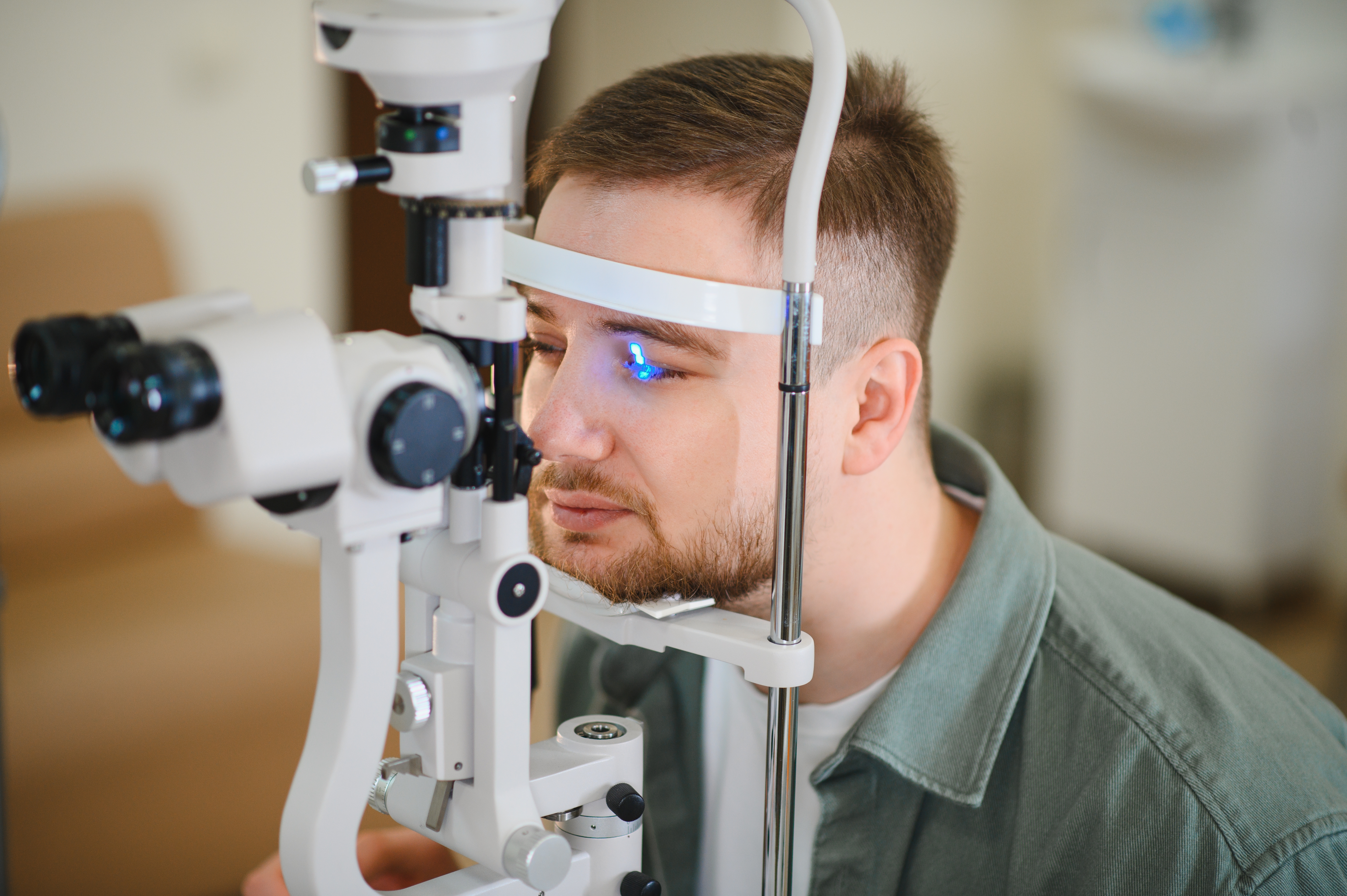
Myopia, also known as nearsightedness, can change quickly during childhood. A child may start by squinting at the board, sitting closer to the TV, or needing a stronger glasses prescription each year. For families in Brooklyn, early myopia management can help protect growing eyes by addressing progression instead of only updating lenses after vision gets worse.
At Victory Vision Care in Brooklyn, we provide comprehensive eye care for children and families, helping parents understand when blurry distance vision may need closer monitoring.
What Is Myopia?
Myopia occurs when the eye grows too long from front to back or when light focuses in front of the retina instead of directly on it. This makes faraway objects look blurry while close-up tasks may still seem clear.
Children with myopia may struggle to see classroom boards, sports fields, street signs, or faces across the room. Because the change can happen gradually, many kids do not complain right away. They may assume everyone sees the same way they do.
Why Early Myopia Management Matters
Traditional glasses and contact lenses help children see clearly, but they do not always slow the progression of myopia. Myopia management focuses on tracking changes and using treatment options that may help reduce how quickly nearsightedness worsens.
This matters because stronger myopia is linked with a higher risk of certain eye health concerns later in life, including retinal problems, glaucoma, and myopic degeneration. The goal is not just clear vision today. It is supporting healthier visual development over time.
Why Brooklyn Kids May Be At Risk
Modern childhood often includes long school days, homework, reading, tablets, phones, and indoor activities. Extended near work and limited outdoor time may contribute to myopia progression in some children.
For Brooklyn families, busy schedules can also make it easy to delay eye exams until a child is clearly struggling. By then, the prescription may have already changed. Regular pediatric eye exams help identify myopia earlier and give parents time to consider proactive care.
Signs Your Child May Be Becoming Nearsighted
Parents should watch for small changes in behavior, especially before the school year becomes demanding. Schedule an eye exam if your child shows:
- Squinting to see faraway objects
- Sitting close to the TV or holding screens close
- Complaints that the board at school looks blurry
- Frequent headaches after school
- Trouble seeing during sports or outdoor play
- A prescription that keeps getting stronger
- Rubbing eyes or blinking often
- Avoiding activities that require distance vision
These signs may point to myopia, eye strain, focusing problems, or another vision concern that should be evaluated.
What Myopia Management May Include
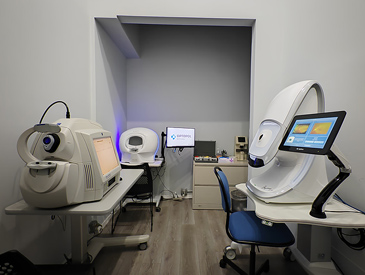
A myopia management plan starts with a comprehensive eye exam. Your optometrist may review your child’s prescription, eye health, family history, visual habits, and how quickly vision has changed. In some cases, additional measurements may be used to monitor eye growth over time.
Depending on your child’s needs, treatment may include specialty contact lenses, Ortho-K, myopia control soft lenses, low-dose atropine, lifestyle guidance, or a combination of strategies. The right approach depends on age, prescription, eye shape, maturity, and parent comfort with the treatment routine.
Why Waiting Can Limit Options
Myopia often progresses most quickly during the school-age years. Waiting until the prescription becomes much stronger can make it harder to manage long-term risk. Early evaluation allows your eye doctor to identify patterns and recommend care before progression becomes more advanced.
For Brooklyn children, summer and back-to-school season are ideal times to schedule exams. If treatment is recommended, families have time to adjust before classrooms, homework, and sports routines are in full swing.
Supporting Kids Beyond The Exam Room
Parents can also support healthy vision habits at home. Encourage outdoor time when possible, build screen breaks into homework routines, and make sure children have good lighting for reading. These habits do not replace professional myopia management, but they can support a more balanced visual environment.
Regular follow-up visits are also important. Myopia management is not a one-time appointment. It requires monitoring, adjustments, and ongoing communication between the optometrist, parent, and child.
Protecting Vision As Your Child Grows
Early myopia management helps Brooklyn families move beyond simply reacting to stronger prescriptions. With the right evaluation and monitoring, your child can receive care that supports clearer vision now and healthier eye development for the future.
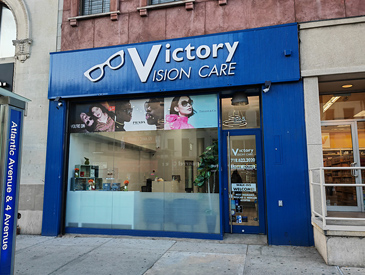
To schedule a pediatric eye exam or ask about myopia management, contact Victory Vision Care in Brooklyn, NY at 565 Atlantic Avenue, Brooklyn, NY 11217, or call (718) 622-2020.

HOURS OF OPERATION
Monday 10:00 am - 6:00 pm
Tuesday 10:00 am - 6:00 pm
Wednesday 09:00 am - 6:00 pm
Thursday 10:00 am - 6:00 pm
Friday 09:00 am - 6:00 pm
Saturday 10:00 am - 4:00 pm
Sunday Closed
Powered by: 