

Blog list
Victory Vision Care Blog
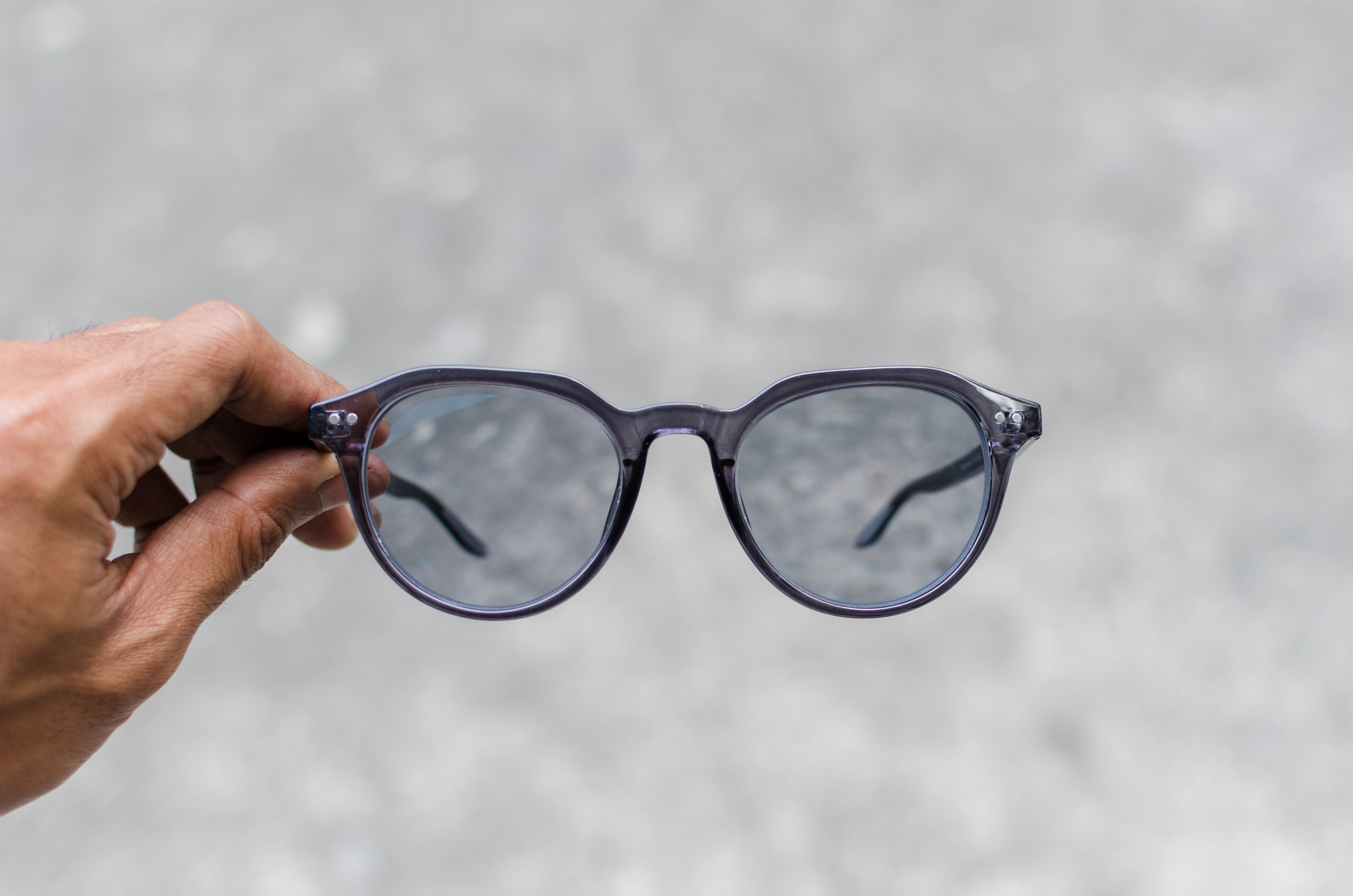
If you find yourself switching between reading glasses, computer glasses, and your regular distance prescription throughout the day, presbyopia may be the reason. This common age-related vision change makes it harder to focus clearly on nearby objects. For busy Brooklyn commuters, progressive lenses can provide a convenient way to handle multiple viewing distances with one pair of glasses.
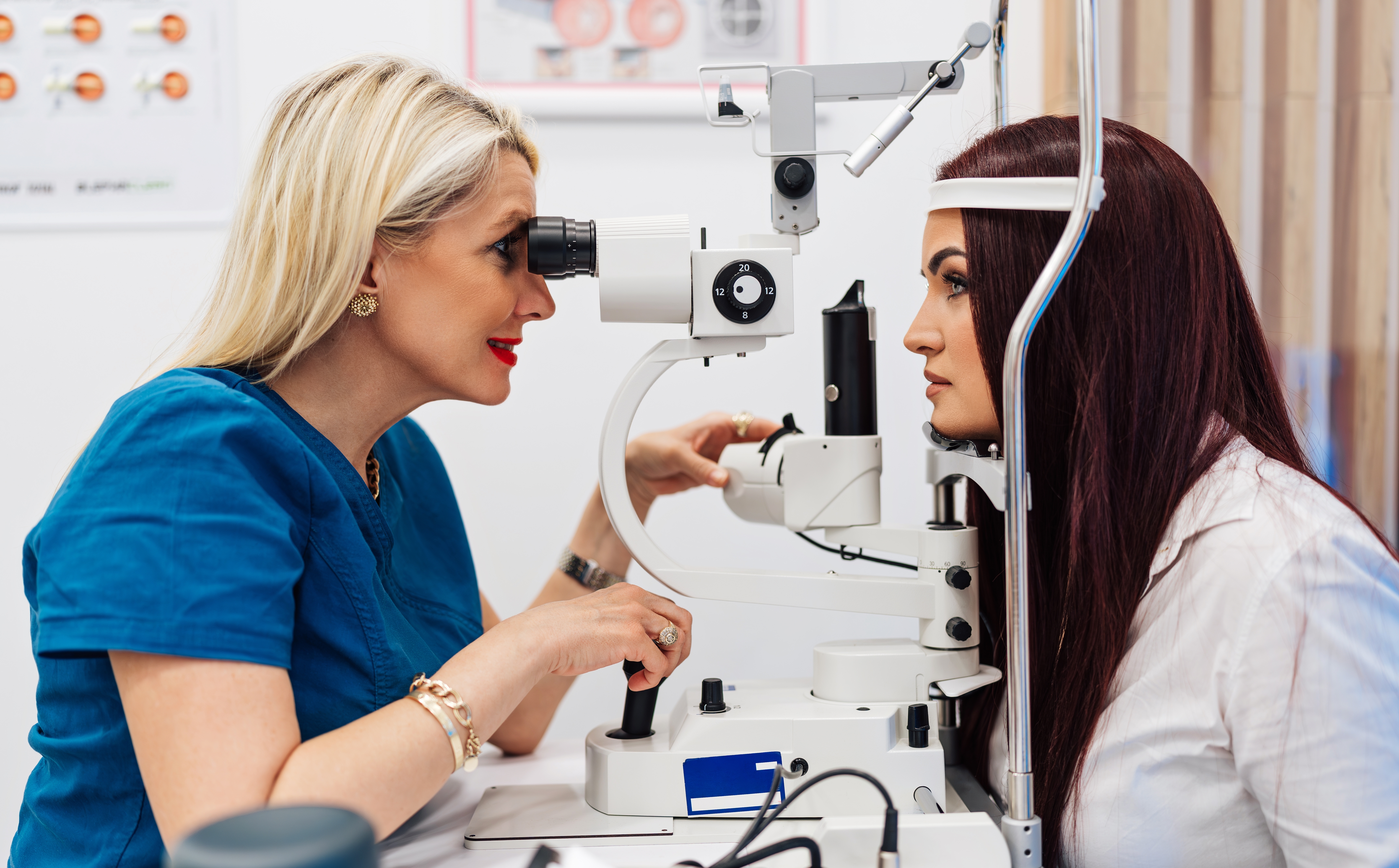
Glaucoma can gradually damage the optic nerve, often without noticeable symptoms in its early stages. That is why glaucoma diagnostic testing is an important part of protecting your long-term vision. At Victory Vision Care, we use a detailed vision assessment to look for signs of glaucoma, evaluate your eye health, and determine whether additional monitoring or care may be needed.
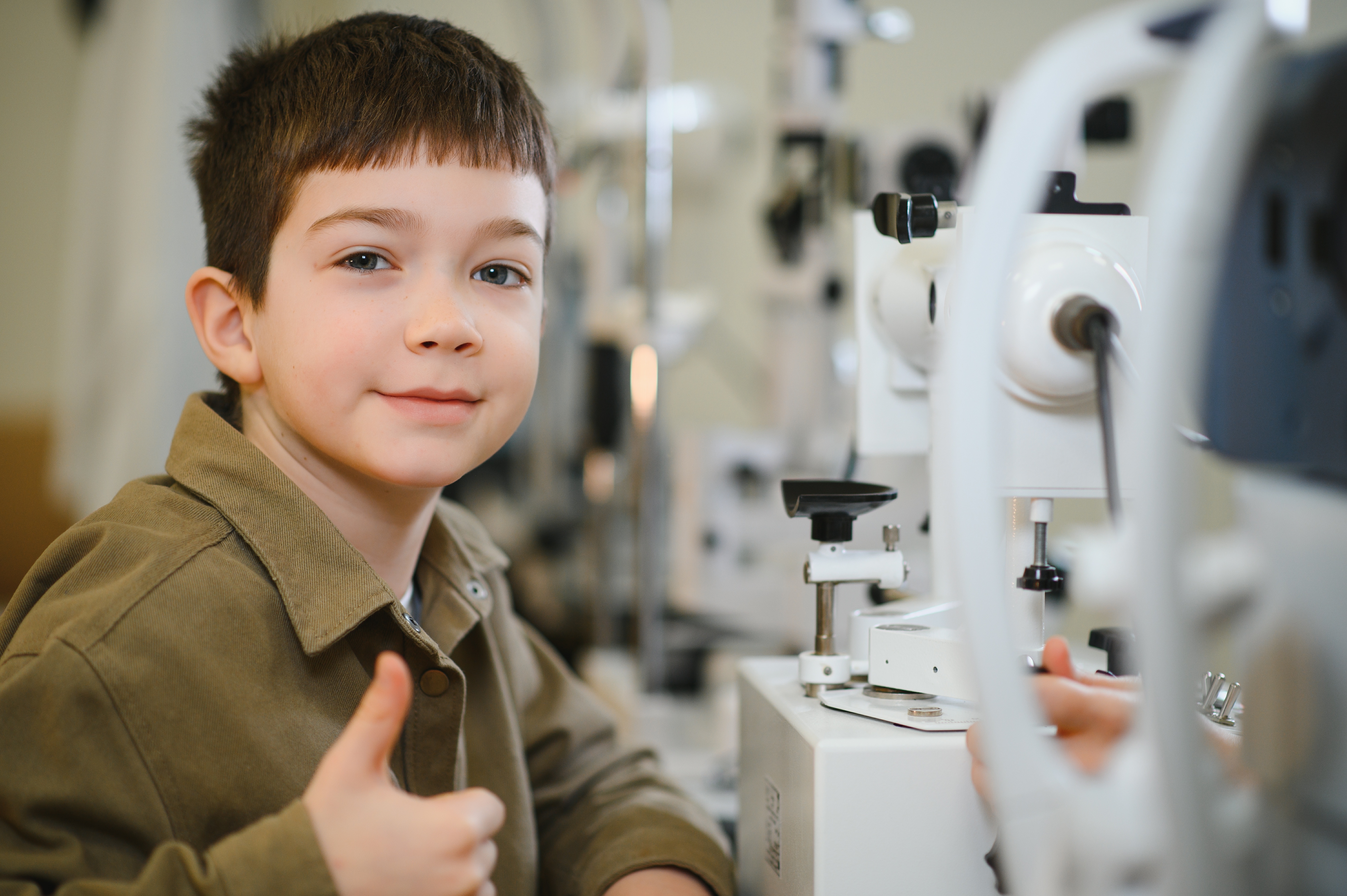
If your child seems to need stronger glasses every year, their prescription may be changing because of progressive myopia, or nearsightedness. Myopia often begins during childhood and can worsen as the eyes continue to grow. For Brooklyn parents, regular NYC eye exams can help us identify these changes early and determine whether myopia management should be considered.
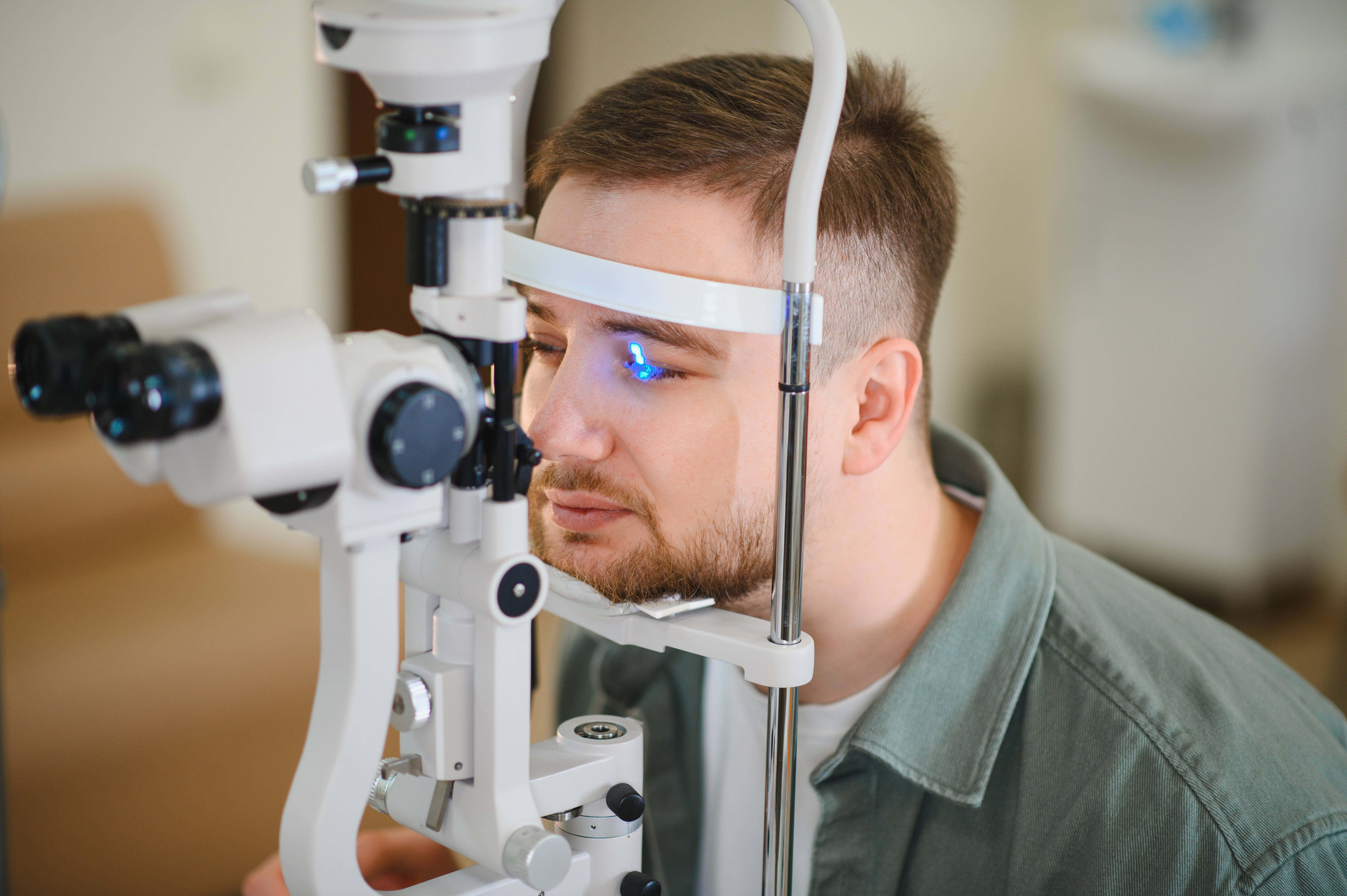
Myopia, also known as nearsightedness, can change quickly during childhood. A child may start by squinting at the board, sitting closer to the TV, or needing a stronger glasses prescription each year. For families in Brooklyn, early myopia management can help protect growing eyes by addressing progression instead of only updating lenses after vision gets worse.

Long workdays in Brooklyn often mean long hours on screens. Between laptops, phones, tablets, video calls, emails, and late-night scrolling, your eyes are constantly shifting focus. If you end the day with tired eyes, headaches, blurry vision, or neck tension, you may be dealing with digital eye strain.

Myopia, also called nearsightedness, is a common vision condition that makes distant objects look blurry while close-up tasks remain easier to see. In children, myopia often develops during school-age years and can continue progressing as the eyes grow.

Dry eye can make everyday tasks uncomfortable. If your eyes often feel gritty, watery, tired, or irritated, we may recommend punctal plugs when drops alone are not giving you enough relief. Punctal plugs are small devices placed in the tear ducts to help your tears stay on the surface of your eyes longer, which can improve moisture and comfort.

Myopia, or nearsightedness, often starts in childhood and can progress quickly as kids grow. Stronger prescriptions over time can make daily life more difficult and may also increase the risk of future eye health concerns. That is why many families in Brooklyn ask about options that do more than simply correct blurry vision. MiSight lenses are designed to help slow myopia progression in children while also providing clear, comfortable vision.

If you’re thinking about getting contact lenses - or switching to a different type - you may be wondering whether hard or soft lenses are right for you. Both options safely and effectively correct vision, but they differ in comfort, durability, maintenance, and the types of prescriptions they’re best suited for.

If you find yourself switching between multiple pairs of glasses for reading, computer work, and distance vision, you’re not alone. As vision changes with age, many people experience presbyopia - a natural condition that makes it harder to see up close. Progressive lenses offer a modern, seamless solution that allows you to see clearly at every distance, all in one pair of glasses.


HOURS OF OPERATION
Monday 10:00 am - 6:00 pm
Tuesday 10:00 am - 6:00 pm
Wednesday 09:00 am - 6:00 pm
Thursday 10:00 am - 6:00 pm
Friday 09:00 am - 6:00 pm
Saturday 10:00 am - 4:00 pm
Sunday Closed
Powered by: 