
What Are the Differences Between Hard and Soft Contact Lenses?
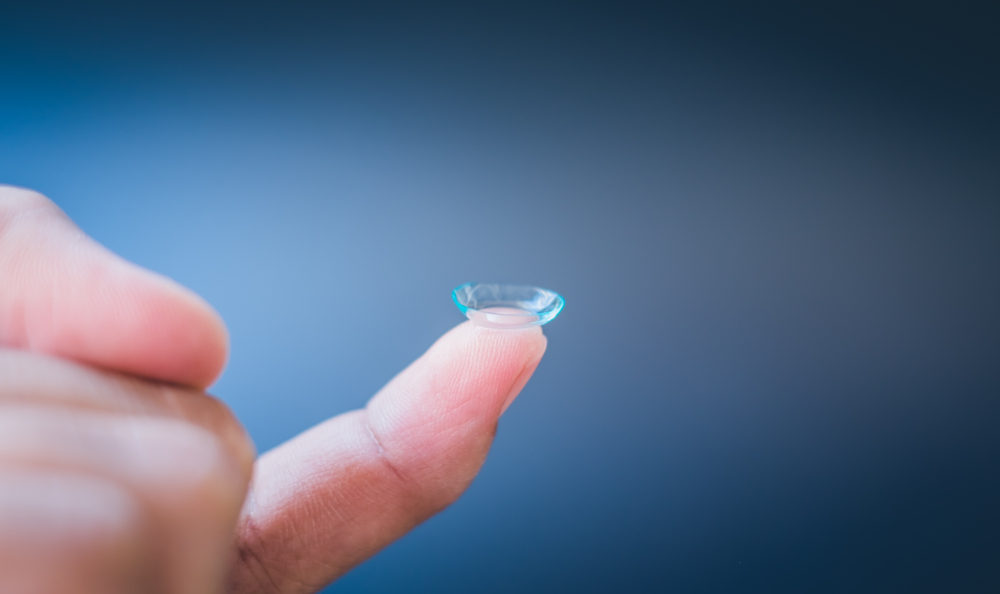
If you’re thinking about getting contact lenses - or switching to a different type - you may be wondering whether hard or soft lenses are right for you. Both options safely and effectively correct vision, but they differ in comfort, durability, maintenance, and the types of prescriptions they’re best suited for.
At Victory Vision Care, we help patients choose lenses based on their unique vision needs and lifestyle. Here’s a clear comparison to help you understand the differences.
What Are Soft Contact Lenses?
Soft contact lenses are made from flexible, water-containing materials such as hydrogel or silicone hydrogel. They conform to the shape of your eye, making them comfortable and easy to wear.
Benefits of Soft Lenses-
Comfortable from the start
Short adaptation period
Available as daily, bi-weekly, or monthly disposables
Stay in place well during sports and physical activity
Soft lenses are the most commonly prescribed type of contact lens. They correct nearsightedness, farsightedness, astigmatism, and presbyopia (with multifocal designs). Because they are flexible, most patients adjust to them almost immediately.
However, soft lenses are more delicate and can be prone to tearing or developing protein deposits over time. They also require consistent replacement, depending on the lens schedule prescribed.
What Are Hard (RGP) Contact Lenses?
Modern “hard” lenses are called rigid gas permeable (RGP) lenses. Unlike older hard lenses made from materials that blocked oxygen, RGP lenses allow oxygen to pass through to the cornea while maintaining a firm shape.
Benefits of Hard (RGP) Lenses-
Often provide sharper, crisper vision
Durable and long-lasting
Resistant to protein buildup
Excellent for complex prescriptions
Because RGP lenses maintain their shape on the eye, they create a smooth refractive surface. This can provide clearer vision for patients with high astigmatism, keratoconus, or irregular corneas - situations where soft lenses may not perform as well.
The main drawback is comfort during the adjustment period. RGP lenses typically require several days or even a few weeks to get used to, though many wearers find them comfortable once adapted.
Comfort and Adaptation
Comfort is one of the biggest deciding factors for many patients.
Soft lenses are generally comfortable immediately.
Hard lenses require a longer adaptation period but can become comfortable with consistent wear.
If you want lenses that feel natural right away, soft lenses may be the better option. If achieving the sharpest possible vision is your priority, RGP lenses may be worth the initial adjustment.
Vision Quality
For most prescriptions, soft lenses provide excellent vision. However, RGP lenses often deliver slightly sharper clarity because they hold their shape and don’t conform to irregularities in the cornea.
Patients with more complex prescriptions may notice a significant difference in visual sharpness with hard lenses.
Durability and Cost
Soft lenses are replaced frequently, which adds convenience but also ongoing costs. Daily disposable lenses eliminate cleaning but must be purchased regularly.
RGP lenses typically last a year or longer with proper care. While the upfront investment may be higher, they can be more cost-effective over time due to their durability.
Maintenance and Care
Both types require proper hygiene to protect eye health.
Soft lenses are more prone to buildup and tearing.
RGP lenses are easier to clean and more resistant to deposits.
Following your optometrist’s cleaning and replacement instructions is essential, regardless of lens type.
Which Is Right for You?
The best contact lenses depend on your prescription, corneal shape, lifestyle, comfort preferences, and budget. A comprehensive contact lens exam and fitting allows your eye doctor to evaluate these factors and recommend the ideal option.
Schedule Your Contact Lens Exam at Victory Vision Care
Hard and soft contact lenses each offer distinct advantages. Soft lenses provide immediate comfort and convenience, making them ideal for most patients. Hard (RGP) lenses offer exceptional clarity and durability, especially for more complex vision needs.
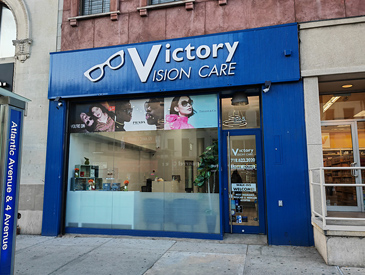
If you’re considering contact lenses or thinking about making a change, Victory Vision Care is here to help. Visit our office in Brooklyn, New York, or call (718) 622-2020 to book an appointment today.

HOURS OF OPERATION
Monday 10:00 am - 6:00 pm
Tuesday 10:00 am - 6:00 pm
Wednesday 09:00 am - 6:00 pm
Thursday 10:00 am - 6:00 pm
Friday 09:00 am - 6:00 pm
Saturday 10:00 am - 4:00 pm
Sunday Closed
Powered by: 