
Presbyopia vs. Progressive Lenses: How Brooklyn Commuters Can Ditch Multiple Pairs of Glasses This Fall
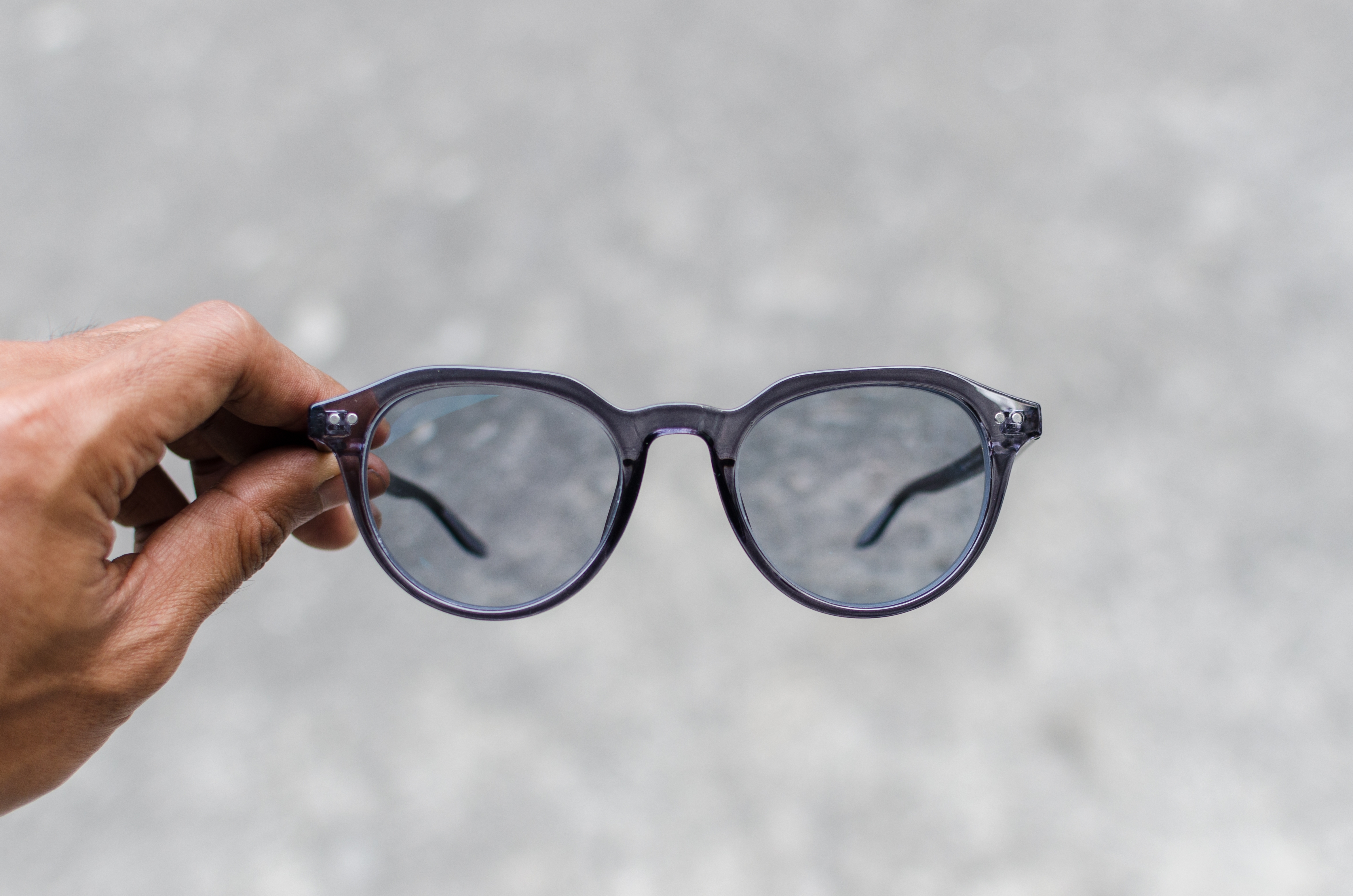
If you find yourself switching between reading glasses, computer glasses, and your regular distance prescription throughout the day, presbyopia may be the reason. This common age-related vision change makes it harder to focus clearly on nearby objects. For busy Brooklyn commuters, progressive lenses can provide a convenient way to handle multiple viewing distances with one pair of glasses.
At Victory Vision Care, we help patients understand how presbyopia affects their daily vision and whether progressive lenses may fit their lifestyle.
What Is Presbyopia?
Presbyopia typically becomes noticeable after age 40 as the natural lens inside the eye gradually becomes less flexible. This makes it more difficult for the eyes to focus on close objects.
You might first notice yourself holding your phone farther away, struggling to read small print, or needing brighter light for close work. Presbyopia is a normal part of aging rather than an eye disease, but it can become increasingly inconvenient without the right vision correction.
For Brooklyn commuters, these changes can be particularly noticeable when moving between different visual tasks throughout the day.
Why Multiple Pairs of Glasses Can Become Frustrating
Someone with presbyopia may have one pair of glasses for distance and another for reading or computer work. While separate glasses can work well, constantly switching between them is not always convenient.
A typical Brooklyn commute might involve looking down the street, checking a phone, reading a subway map, and working on a laptop after arriving at the office. Carrying several pairs of glasses means remembering which pair you need and keeping them available throughout the day.
Progressive lenses are designed to simplify that routine.
How Do Progressive Lenses Work?
Progressive lenses provide several prescription powers within one lens without the visible lines associated with traditional bifocals. The upper portion generally supports distance vision, while the middle and lower areas provide intermediate and near correction.
Depending on your prescription and visual needs, progressive lenses may help with tasks such as:
Seeing clearly across a street or subway platform
Viewing a computer or other intermediate-distance screen
Reading messages and directions on your phone
Checking a menu, receipt, or printed document
Moving between different viewing distances without changing glasses
Because the prescription changes gradually through the lens, patients usually need some time to learn where to look for each visual distance.
Are Progressive Lenses Right for Every Brooklyn Commuter?
Progressive lenses can be convenient, but they are not automatically the best option for everyone. Prescription strength, frame selection, work habits, previous eyewear experience, and personal preferences all matter.
Proper measurements and lens positioning are also important. Progressive lenses have specific viewing zones, so an accurate fit helps ensure those areas align appropriately with your eyes.
Some people adapt quickly, while others need additional time. If you are new to progressive lenses, wearing them consistently can help your eyes and brain become accustomed to the different viewing areas.
Progressive Lenses Are Different From Lens Coatings
It is also important to separate lens design from lens coatings. Progressive lenses provide multiple prescription zones. Anti-reflective coatings, by comparison, reduce reflections from the surfaces of the lenses. They do not create the different viewing powers found in a progressive lens.
Depending on your needs, an anti-reflective coating can be added to progressive lenses. This may be useful for Brooklyn patients who regularly work around screens or drive after dark, although no coating eliminates every source of glare.
Find the Right Lenses for Your Daily Routine
If you are tired of searching through your bag for a different pair of glasses every time your viewing distance changes, an updated eye exam can determine whether presbyopia is affecting your vision. We can evaluate your prescription and discuss eyewear based on your commute, work environment, and everyday activities.
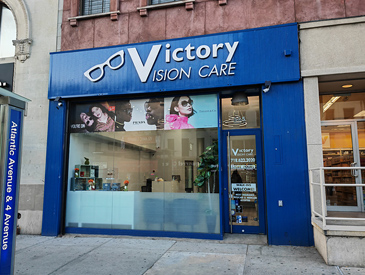
Ready to simplify your vision this fall? Contact Victory Vision Care at 565 Atlantic Ave., Brooklyn, NY 11217 by calling (718) 622-2020 to schedule your eye exam and discover whether progressive lenses are right for your Brooklyn lifestyle.

HOURS OF OPERATION
Monday 10:00 am - 6:00 pm
Tuesday 10:00 am - 6:00 pm
Wednesday 09:00 am - 6:00 pm
Thursday 10:00 am - 6:00 pm
Friday 09:00 am - 6:00 pm
Saturday 10:00 am - 4:00 pm
Sunday Closed
Powered by: 