
What Are My Options for Glaucoma Management?

Glaucoma is a serious eye condition that can lead to permanent vision loss if left untreated. Because it often develops slowly and without early symptoms, many people don’t realize they have glaucoma until noticeable vision changes occur. At Victory Vision Care, we focus on early detection, ongoing monitoring, and personalized treatment plans to help protect your long-term eye health.
What Is Glaucoma?
Glaucoma is a group of eye diseases that damage the optic nerve, which is responsible for sending visual information from your eye to your brain. This damage is commonly associated with elevated eye pressure (intraocular pressure), though glaucoma can also occur with normal eye pressure.
The most common types of glaucoma include:
Primary open-angle glaucoma, which develops gradually and is the most common form
Angle-closure glaucoma, which can develop suddenly and is considered a medical emergency
Normal-tension glaucoma, where optic nerve damage occurs despite normal eye pressure
Secondary glaucoma, caused by another eye condition, injury, or medication
Because vision loss from glaucoma is irreversible, early detection is critical.
Why Early Diagnosis Is So Important
Glaucoma is often called the “silent thief of sight” because it usually does not cause noticeable symptoms in its early stages. Peripheral vision is typically affected first, and many patients don’t notice changes until significant damage has already occurred.
Routine comprehensive eye exams allow your optometrist to detect glaucoma early through:
Eye pressure measurements
Optic nerve evaluation
Visual field testing
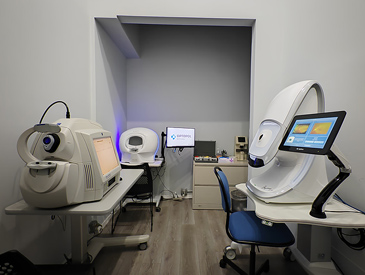
Retinal imaging and OCT scans
When glaucoma is identified early, treatment can begin right away to slow or stop disease progression.
Glaucoma Management and Treatment Options
While glaucoma cannot be cured, it can be effectively managed with the right treatment plan. Your optometrist will recommend options based on the type and severity of glaucoma, your eye pressure, and your overall eye health.
Prescription eye drops are often the first line of treatment for glaucoma. These medications work by either reducing the amount of fluid the eye produces or improving fluid drainage to lower eye pressure. Consistent daily use is essential for effectiveness.
In some cases, oral medications may be prescribed to help further reduce eye pressure, particularly if eye drops alone are not sufficient.
When to Consider Advanced Glaucoma Treatment
If glaucoma cannot be adequately controlled with eye drops alone, it may be time to discuss advanced treatment options. You should talk to your eye doctor if your eye pressure remains high, testing shows continued optic nerve damage, or you’re having trouble using or tolerating medications.
Laser treatments, such as selective laser trabeculoplasty (SLT), can help improve fluid drainage and lower eye pressure, often with minimal downtime. Glaucoma surgery may be recommended if laser treatment and medications are no longer effective, especially if vision loss continues. Discussing advanced treatment early allows your eye doctor to take proactive steps to better protect your vision and slow disease progression.
Schedule Your Glaucoma Evaluation Today
Glaucoma is a lifelong condition, but with early diagnosis and the right management plan, many patients are able to maintain their vision and quality of life. Regular eye exams, prompt treatment, and ongoing monitoring are the keys to protecting your sight.
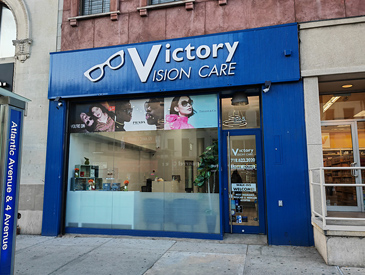
If you have risk factors for glaucoma, a family history of the condition, or haven’t had an eye exam recently, now is the time to take action. Contact Victory Vision Care to schedule an eye exam and learn more about your options for glaucoma management. Visit our office in Brooklyn, New York, or call (718) 622-2020 today.

HOURS OF OPERATION
Monday 10:00 am - 6:00 pm
Tuesday 10:00 am - 6:00 pm
Wednesday 09:00 am - 6:00 pm
Thursday 10:00 am - 6:00 pm
Friday 09:00 am - 6:00 pm
Saturday 10:00 am - 4:00 pm
Sunday Closed
Powered by: 